Two instructions, running for about twenty years.
I was twelve and I wanted to be a chemist. I ordered chemicals off Amazon and eBay and ran experiments in my parents' garden, which was less about chemistry than about the difference between reading that something happens and watching it happen a metre in front of you. Only one of those ever held my attention. It went well until it didn't, something caught fire, and my parents closed the lab the same afternoon. The lab closed. The preference didn't.
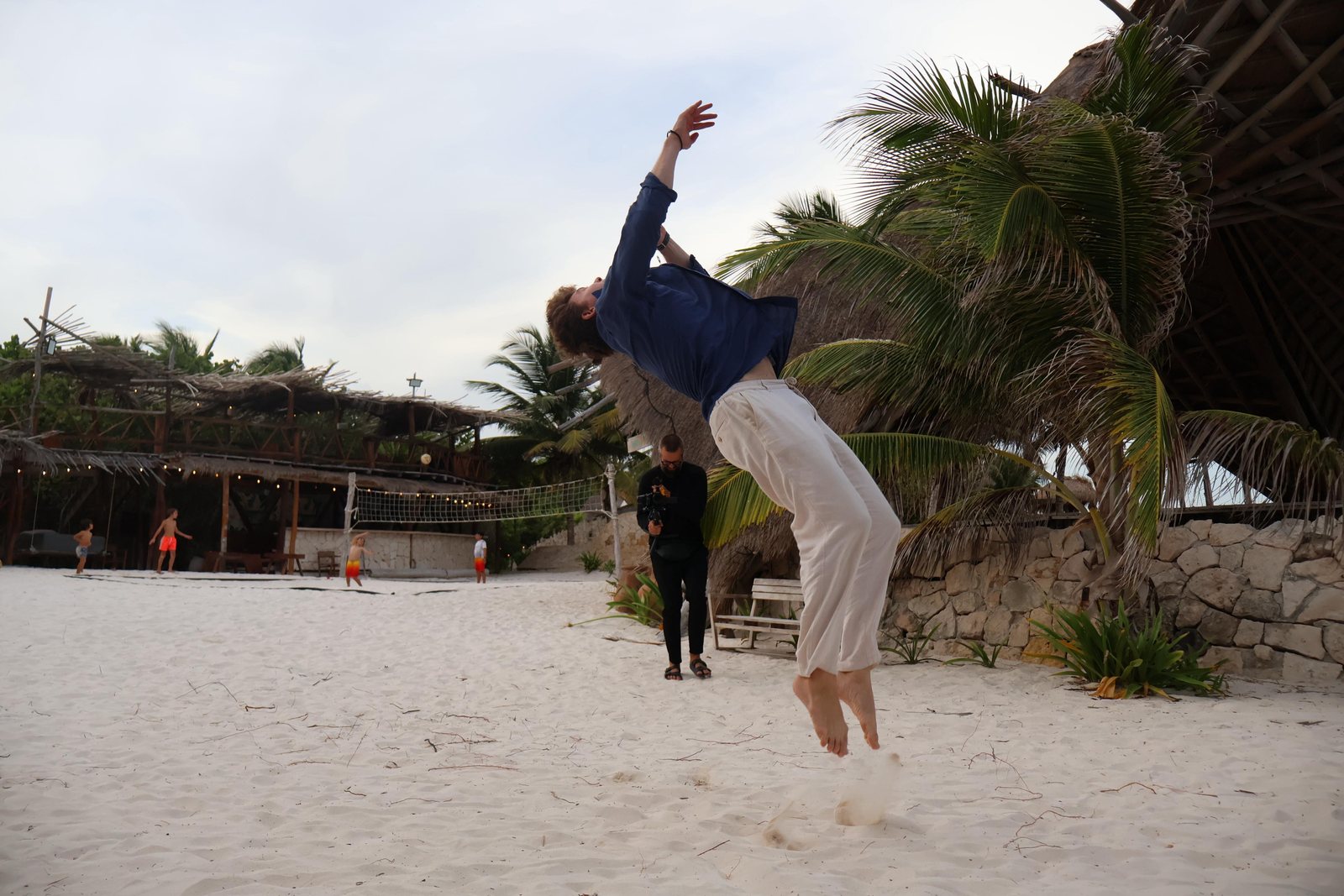
Gymnastics taught me what that preference costs. You fail in public, on a schedule, in front of people who are all better than you, and the only way through is to stop caring that they're watching. The distance between a decent routine and a good one is an absurd number of repetitions nobody will ever see. At the time it was just training. Looking back, it's the first thing that made discomfort feel like progress instead of something to avoid.
After that I started choosing it on purpose. I've lived and worked in more than ten countries, and none of those moves were about the stamps. Being somewhere you don't speak the language and can't read the room is the fastest way to separate what you actually understand from what you've only ever assumed. It's the garden experiment again with a bigger blast radius.
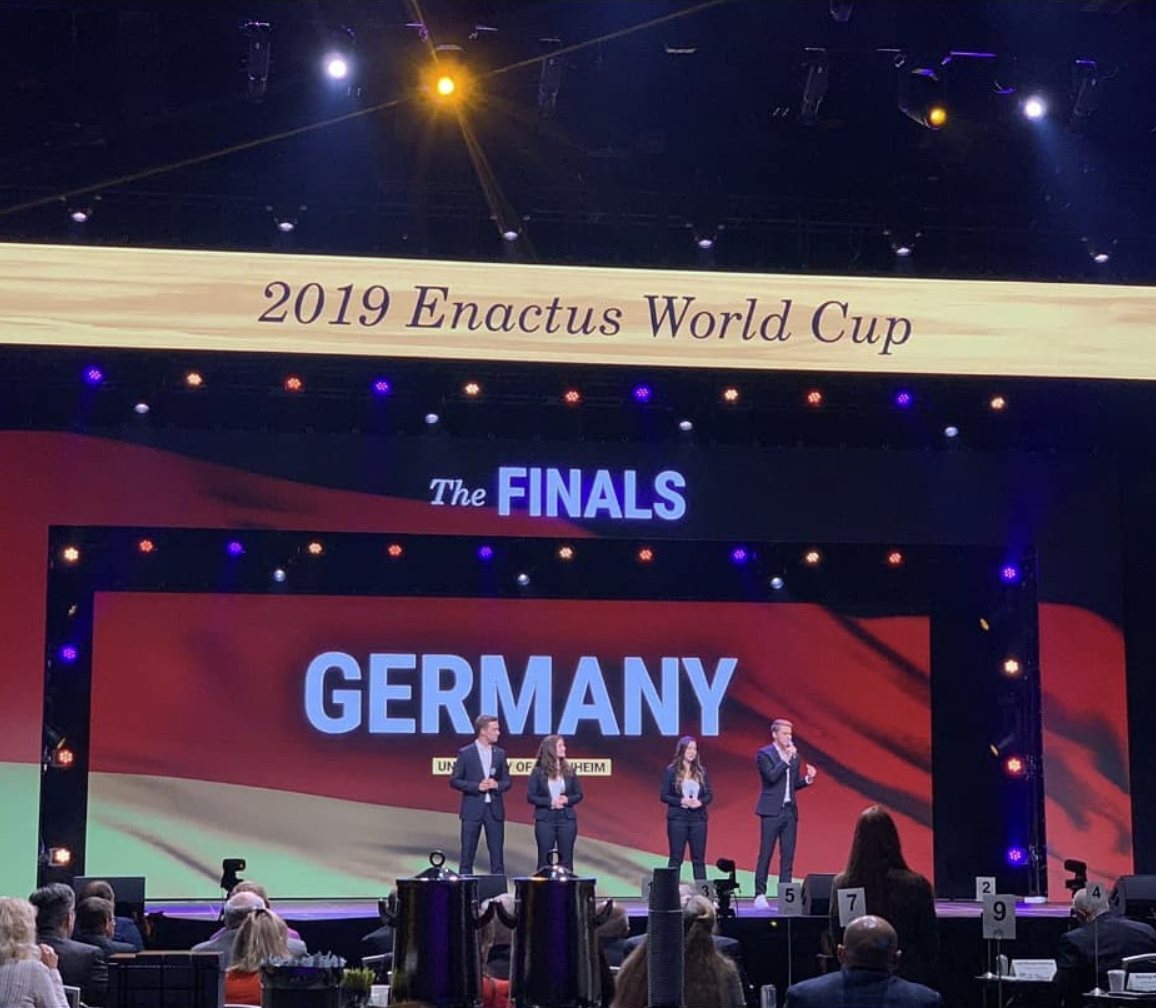
At university in Mannheim I found Enactus, and that's where curiosity first had somebody else's name attached to it. My first venture was in Uganda, working on malnutrition treatment. Later I helped fundraise for Blauherz, an inclusive fashion label making clothing for people with disabilities, designed and made by people with disabilities.
Two completely different problems, same lesson. Get something wrong on your own and you've learned something. Get it wrong here and it costs somebody who was counting on you. That's still the bar I hold work to.
Then BCG, where I split my time between social impact work and AI in retail. Consulting gets an easy kicking, but I learned an enormous amount there. How to ship a product instead of describing one. How to write a strategy that still holds in year three, after the person who approved it has left and the market has moved. How to tell apart a company that wants AI from a company that's ready for it, which is almost never the same conversation. And how to sit in a room where everyone disagrees with you and still leave with a decision.
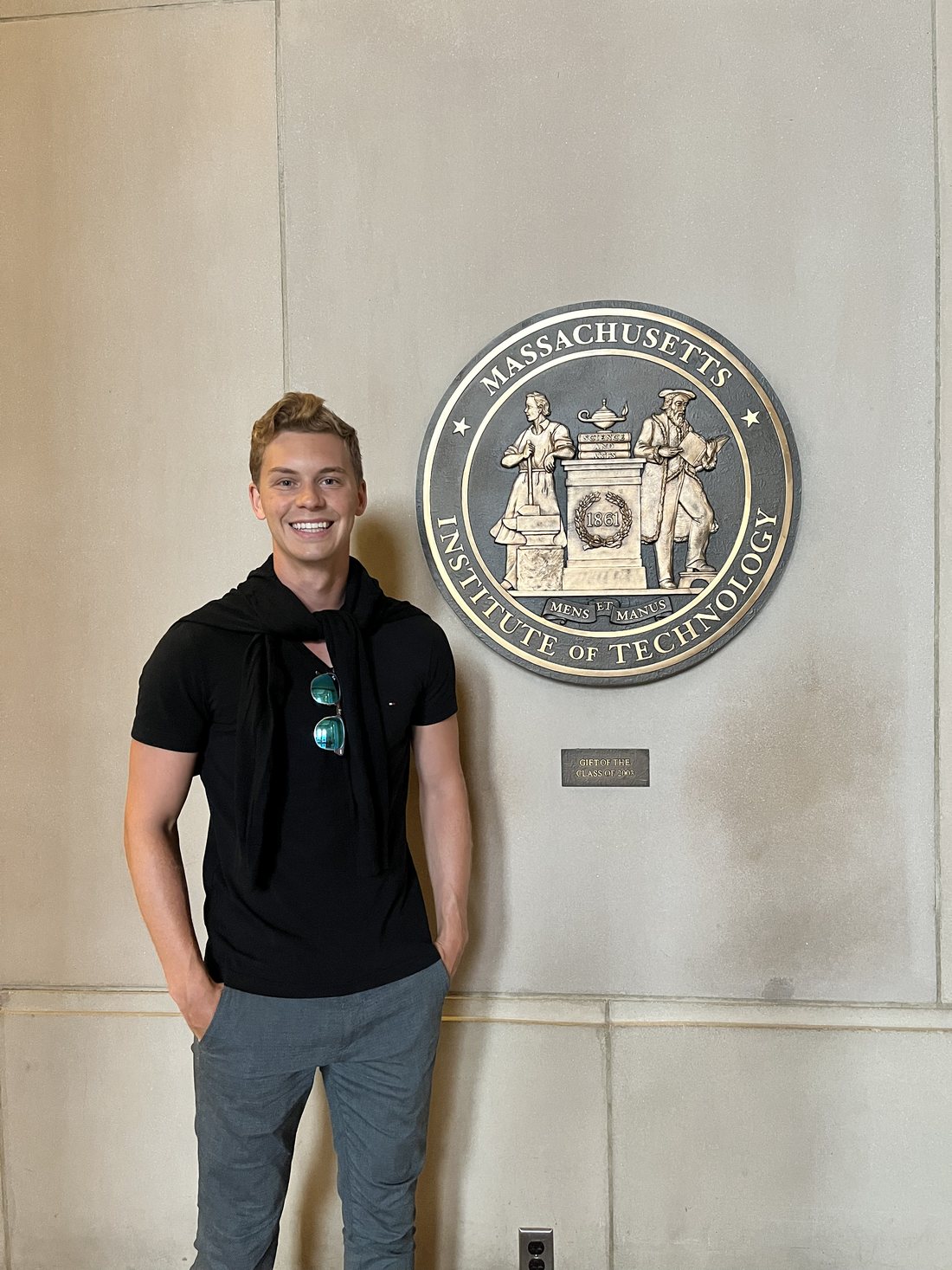
Then MIT, where I walked into a building full of people running the same two instructions. People who had moved across the world to be there, study there, and start something there. Nobody needed the value of discomfort explained to them. They'd already bought the plane ticket.
It was the first time being wired this way felt ordinary rather than slightly odd. It also made me realise how much of anyone's trajectory comes down to whether they ever end up in a room like that.
Most people never get that room. That is the entire thing I'm trying to fix.
I want to be an ecosystem builder: someone who finds those people wherever they already are, connects them to each other, and puts resources, mentors and capital within reach, so the ceiling on what somebody builds isn't set by where they happened to be born.
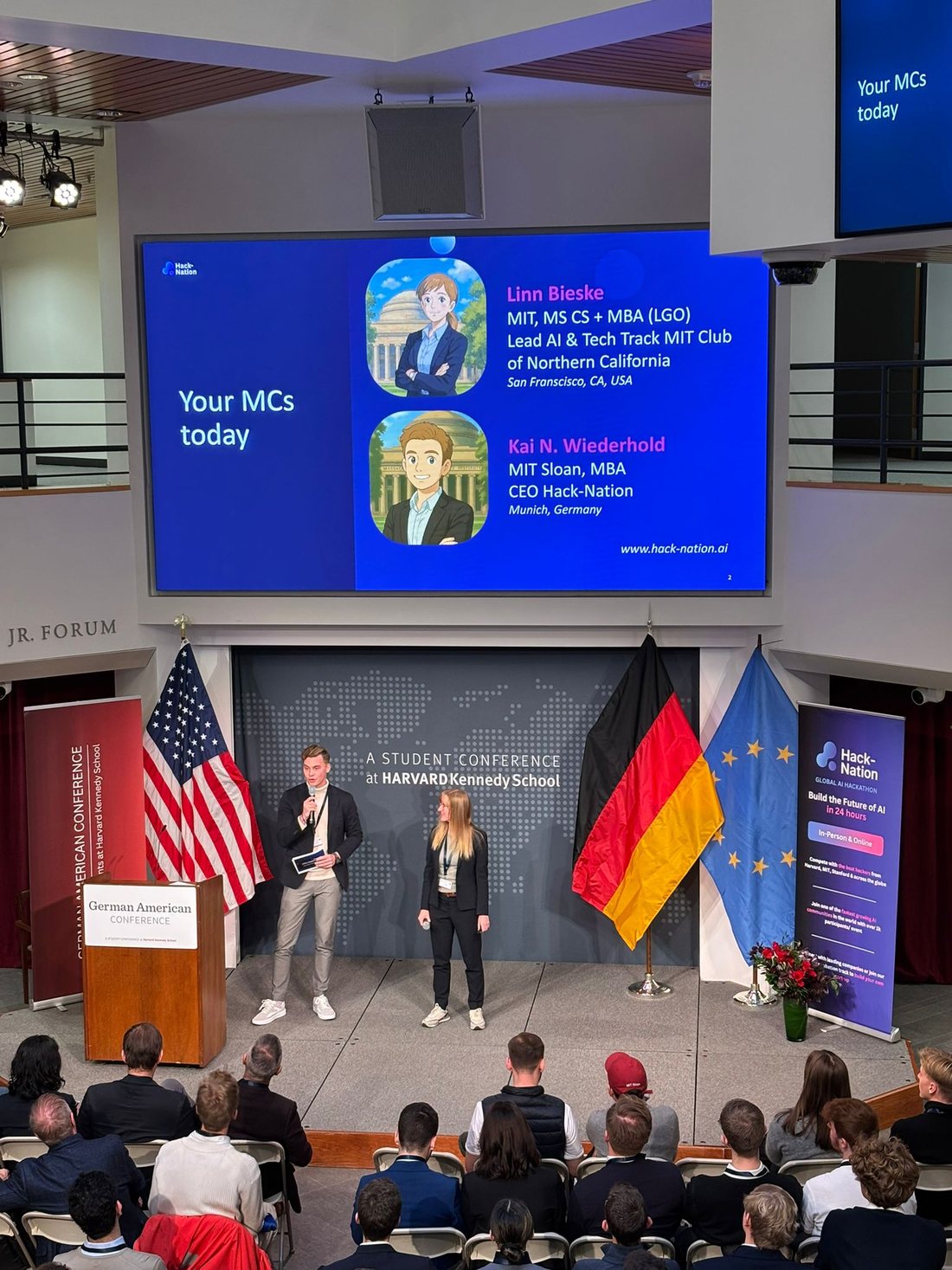
A hackathon is 24 hours of curiosity with a deadline, run in public, next to strangers, and most of what gets built doesn't work. That's the garden, the gym floor and the unfamiliar country compressed into a weekend. Hack-Nation is that room, four times a year, in thirteen places at once.
Today: Munich. Still setting things on fire, mostly figuratively.